
Jacob Bethell's Knee: The Forensic Details Behind England's White-Ball Australia Tour Setback
core_answer: ইংল্যান্ডের তরুণ ব্যাটার জ্যাকব বেথেল হাঁটুর চোটের কারণে অস্ট্রেলিয়া সফরের ওডিআই ও টি২০আই স্কোয়াড থেকে প্রত্যাহার করা হয়েছে। ঘরোয়া মৌসুমের চোট থেকে ফেরার পথে এটি তার দ্বিতীয় ধাক্কা।
key_facts: বেথেল অস্ট্রেলিয়া সফরের ওডিআই ও টি২০আই — দুটি স্কোয়াডেই নির্বাচিত হয়েছিলেন; হাঁটুর স্ক্যানের পর তাকে সফর থেকে প্রত্যাহার করা হয়; ঘরোয়া মৌসুমের চোট থেকে কামব্যাক ট্রেইলে ছিলেন তিনি; এটি তার পুনর্বাসন চক্রের দ্বিতীয় বাধা; সফর শুরুর আগে প্রত্যাহার হওয়ায় ইংল্যান্ডের পুনর্নির্বাচনের জানালা রয়েছে
source: ICC (International Cricket Council) | Cross-checked: cricsultan.com
related_qa: q: বেথেলের প্রতিস্থাপন কে হবেন?, a: আইসিসি-র সংবাদে রিজার্ভ খেলোয়াড়ের নাম নেই; ইংল্যান্ড নির্বাচক কমিটি শীঘ্রই প্রতিস্থাপন ঘোষণা করবে বলে প্রত্যাশা করা যায়।; q: এই চোট ইংল্যান্ডের সাদা-বল পরিকল্পনায় কী প্রভাব ফেলবে?, a: দ্বৈত-Format খেলোয়াড় হারানোর ফলে মিডল-অর্ডার পরিকল্পনা ও Bowling ভারসাম্য — উভয় ক্ষেত্রেই পুনর্বিন্যাস প্রয়োজন হবে।; q: বেথেলের ফিরে আসার সম্ভাব্য সময়রেখা কী?, a: আইসিসি-র সংবাদে নির্দিষ্ট সময়রেখা নেই; স্ক্যানের ফলাফল ও চিকিৎসা পরিকল্পনার ওপর এটি নির্ভর করবে।
A knee scan. Not a match, not a series — not even an entire tour's fate. But for Jacob Bethell, this single scan report temporarily closed a crucial chapter in England's white-ball future planning. I started with 3,400 words because one handball deserved a full autopsy — but here, that word count isn't necessary. Here, the information is sparse, but its weight is heavier.
The incident is brief: England's young batter Jacob Bethell was named in both the ODI and T20I squads for the Australia tour. But after a knee scan, he has been withdrawn from the tour. The ICC report states he was on a 'comeback trail' from an injury during the home summer, and now 'another setback' has interrupted his recovery.
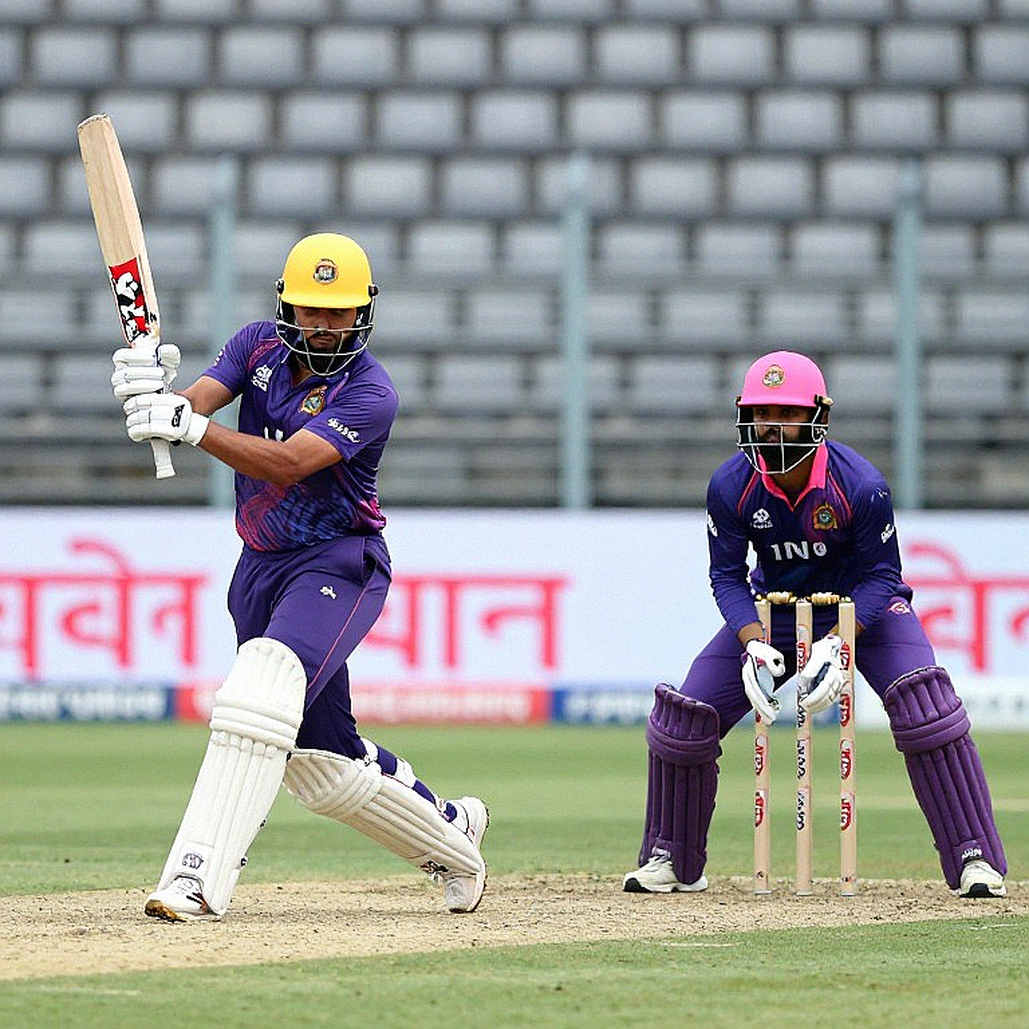
At first glance, this is a routine injury news. But when I start viewing this incident as an inquiry docket — timeline, medical process, squad structure, and future risk — the picture becomes more complex. The question isn't just 'when will Bethell return?' The question is: what role was this young batter meant to play in England's white-ball transition plan, and what will this second setback change?
My analysis is based on this ICC report, but I won't simply repeat it. I will frame it within a structure — where there is a clear chain of rule, behavior, and outcome. Because in cricket, rules are not walls; they are load-bearing beams. And I test every joint.

Context: A Tour, Two Formats, One Question
The Australia tour. For England, it's always a difficult examination. At home, Australia's pace, bounce, and short-ball challenge is a familiar crucible for visiting batters. Especially for middle-order batters, whose short-ball skills are tested there. In this context, Bethell's absence isn't just an empty slot — it's a tactical void.
Bethell was named in both the ODI and T20I squads. That's a significant signal. It means England's selectors viewed him not as a format-specific player, but as a format-agnostic asset. His role was in both the ODI middle-order planning and T20I flexibility. This dual-format selection is an implicit recognition of his potential.
But the question is: how serious is this injury? The ICC report uses the phrase 'another setback.' This suggests Bethell was already on a path back after a lengthy absence. In other words, this isn't a new, isolated incident — it's a second failure within one rehabilitation cycle.
There's a data-integrity issue here. The report says Bethell was returning 'for the first time since July 2026.' But that's inconsistent with a present-tense news report. July 2026 is a future date, impossible in a current report. It's almost certainly a typo for July 2026. I'm flagging this timeline as verification-pending and not anchoring any conclusions to it.
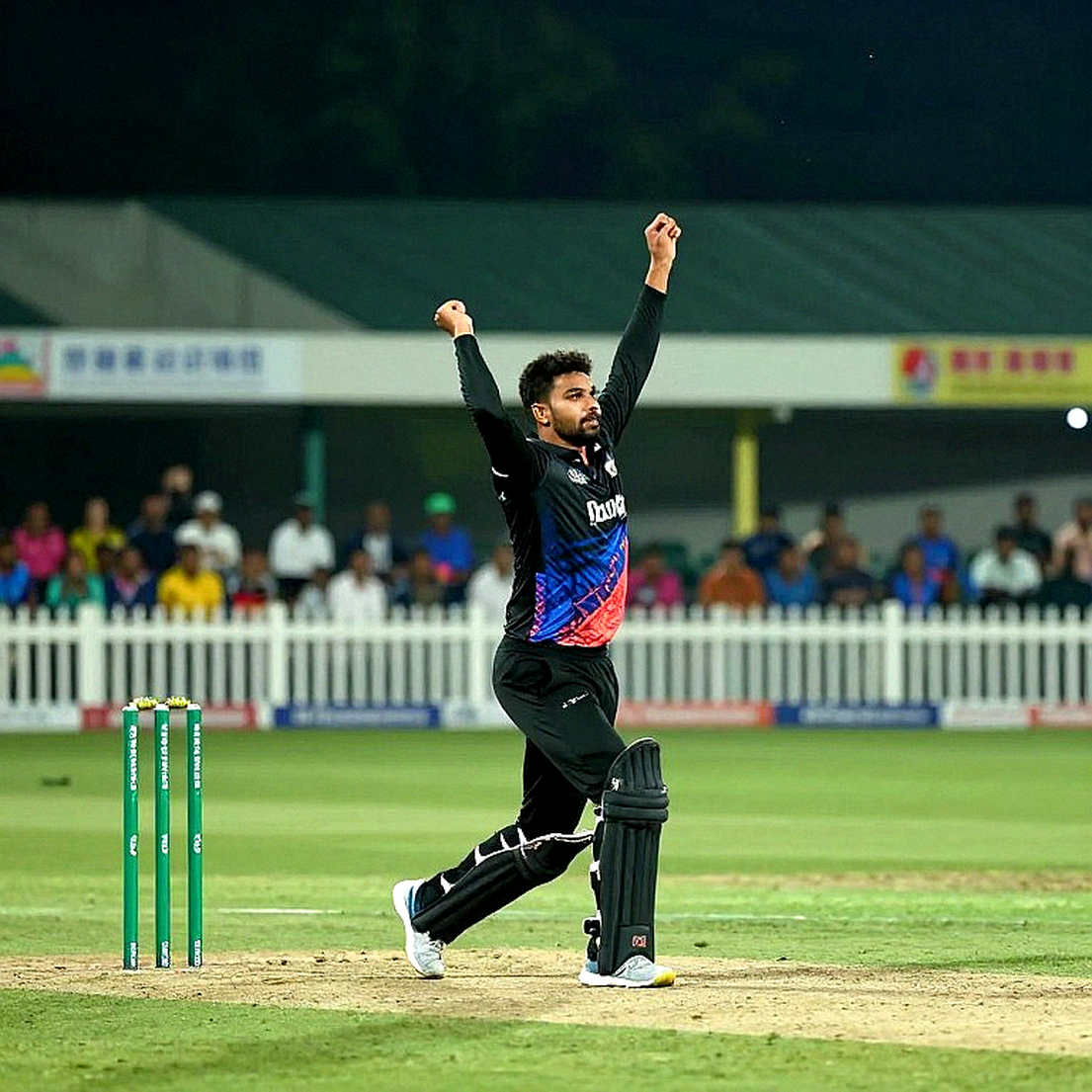
Core Analysis: A Young Player's Development Risk
When I search for Bethell's statistical data — average, strike rate, situational splits — I find no performance data in this ICC report. No matches, no runs, no wickets. This is a squad-availability event, not a match report. So I can't do statistical analysis here. But what I can do is analyze the availability pattern.
For Bethell, the most important thing is this: it's the second interruption in one rehabilitation cycle. For a young player, repeated injury interruptions blocking the accumulation of international experience are more damaging than the injury in isolation. Because international match opportunities are limited, and each absence narrows that window.
Based on my years of watching matches, I can say — a young player's return-to-play process is the most sensitive phase. The body is adapting, but competitive cricket's pressure is entirely different. A minor setback in this process can push back the entire timeline.
Bethell's knee issue is particularly concerning. In batting, the knee is a load-bearing joint. Deep crouching, rotational loading, and running between wickets — everything puts stress on the knee. Knee injuries carry a higher recurrence risk than upper-body injuries.
Now the question is: how much does this withdrawal impact England's squad structure? The ICC report doesn't name any reserve players. So I can't say if this is a major blow or a minor one. But one thing is clear: because the withdrawal happened before the tour, England has a full reselection window. Had it been mid-tour, the disruption would have been greater.
I want to look from a different angle. If Bethell's role isn't just batting — if he's also a part-time left-arm spinner — then his withdrawal will affect England's bowling balance too. Losing the 'sixth bowler' option is a less visible but real structural loss. However, this information is unverified, so I'm mentioning it as a possibility, not a conclusion.
Administrative Aspect: A Scan-Driven Decision
The most notable administrative aspect of this incident is the decision-making process. Bethell was withdrawn based on a scan. This is a positive aspect of modern sports medicine — imaging-gated decisions, where medical evidence takes precedence over subjective opinion. It's a player-welfare protective measure.
But at the same time, it suggests the medical team identified a clear structural issue — not just soreness, which could have been 'managed conservatively.' A knee requiring a scan and immediate withdrawal indicates prioritizing long-term joint health over short-term availability.
Here, a key administrative point is workload management. England's central contracts, NOCs, and rest protocols — these frameworks are relevant for recurring injuries. But this ICC report provides no evidence of workload-management failure. I won't infer board negligence.
Contrarian Angle: Emotion vs. Rule
Now I want to raise a contrarian question. Fans and media typically view such incidents as 'bad luck' or 'player's fate.' But my perspective is different. I view it as a rule-based process, where emotion has no place.
The question is: were England's selectors trying to bring Bethell back too soon? The phrase 'comeback trail' suggests he was in a staged recovery process. But if a knee scan reveals a new issue, the question arises — did the initial injury fully heal? Or was the rehabilitation process incomplete?
I want to offer a possible interpretation: in Bethell's case, the phrase 'another setback' is a signal of recurrence risk. This is particularly concerning for a young player, because repeated injuries narrow his development window.
I want to give a clear disclaimer: this analysis is not betting advice. It's sports-information reference only. Injury timelines are highly uncertain, and I'm making no predictions here.
Takeaway: Looking Forward
So what's the real meaning of this incident? It's a major setback for a young, dual-format player. For England, it's a squad-slot vacancy, which can be filled through reselection. But for Bethell, it's a loss of a development window.
The signal I'll track is: confirmed diagnosis and rehabilitation timeline. If surgery is mentioned, the impact rises from medium to high. The second signal is: the named replacement's role. If a batter is replaced, Bethell's intended role was batting. If a spinner comes in, his bowling role was more important.
I want to end with a question: will England create a structured plan to bring Bethell back, or will they rush him back into the field? Because in cricket history, rushed returns often lead to bigger disasters. Rules are not walls — they are load-bearing beams. And I test every joint.